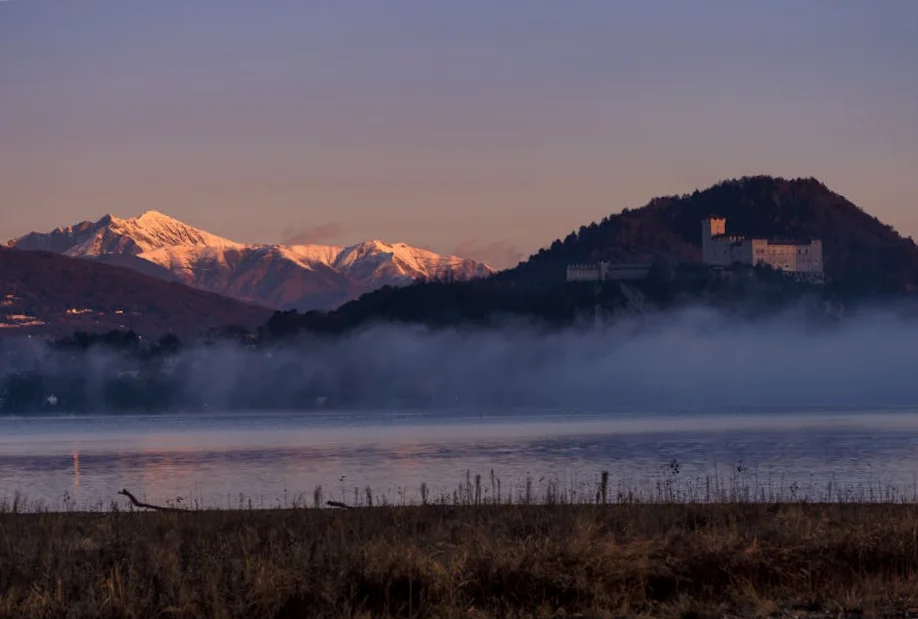
Banff for Beginners: Your Complete Guide to the Canadian Rockies
Dreaming of turquoise lakes, towering mountains, and crisp, clean air? Banff National Park in the Canadian Rockies is calling your name. But planning a trip to this natural wonderland can feel overwhelming, especially if it’s your first time. Don’t worry, I’m here to guide you. This article breaks down everything you need to know for a smooth and unforgettable Banff adventure.
Key Takeaways
- Permits are essential: You’ll need a Parks Canada Discovery Pass or a daily pass to enter Banff National Park.
- Best time to visit depends on your priorities: Summer is ideal for hiking, while winter offers incredible skiing and snowboarding. Shoulder seasons (spring and fall) provide fewer crowds and beautiful scenery.
- Book accommodations and activities in advance: Banff is a popular destination, so secure your lodging and tours well ahead of time.
- Consider lesser-known gems: While Lake Louise and Moraine Lake are iconic, explore places like Johnston Canyon or the Icefields Parkway for equally stunning views with fewer people.
- Be prepared for unpredictable weather: Pack layers, even in summer, as conditions can change rapidly in the mountains.
The package arrived a day earlier than expected, which was a nice surprise. It certainly eased my mind, as I had been a bit concerned about getting everything in time for the trip.
What is Banff and Why Should You Visit?
Banff National Park, established in 1885, is Canada’s oldest national park and a UNESCO World Heritage Site. It’s located in the heart of the Canadian Rockies in Alberta, offering breathtaking scenery, abundant wildlife, and a wide range of outdoor activities. From hiking and skiing to wildlife viewing and relaxing in hot springs, Banff has something for everyone.
The park encompasses over 6,641 square kilometers (2,564 square miles) of mountainous terrain, glaciers, forests, and alpine meadows. It’s home to iconic lakes like Lake Louise and Moraine Lake, as well as numerous hiking trails, ski resorts, and charming towns like Banff and Lake Louise.
Planning Your Trip to Banff: The Essentials
1. Getting There
The most common way to get to Banff is by flying into Calgary International Airport (YYC). From there, it’s about a 1.5-hour drive west on the Trans-Canada Highway (Highway 1) to the town of Banff. You can rent a car at the airport, or take a shuttle service like the Banff Airporter. Driving offers flexibility for exploring the park at your own pace, but parking can be limited, especially during peak season.
Another option is to take a bus from Calgary. Several companies offer daily service to Banff, including Greyhound (check for current availability as routes change) and Brewster Express. This is a more budget-friendly option, but it’s less flexible than renting a car.
2. Park Permits and Fees
To enter Banff National Park, you’ll need a valid Parks Canada Discovery Pass or a daily pass. A Discovery Pass provides unlimited access to over 80 national parks, historic sites, and marine conservation areas across Canada for a full year. If you’re planning to visit multiple parks, this is the most economical option. As of January 2026, a family Discovery Pass costs around $145.25 CAD.
Daily passes can be purchased at the park gates or online. The cost varies depending on the number of people in your group. As of January 2026, a daily family pass costs around $21 CAD. Keep in mind that these fees contribute to the maintenance and preservation of the park. Is it a small price to pay for such incredible views?
3. Best Time to Visit
The best time to visit Banff depends on your interests and priorities. Summer (June-August) offers warm weather, long days, and access to all hiking trails. However, it’s also the busiest time of year, with higher prices and larger crowds. Expect daytime temperatures averaging between 15°C and 25°C (59°F and 77°F).
Winter (December-February) is ideal for skiing and snowboarding, with abundant snowfall and world-class ski resorts. Be prepared for cold temperatures, often dropping below -15°C (5°F). The shoulder seasons – spring (April-May) and fall (September-October) – offer a balance between fewer crowds and pleasant weather. You can experience stunning fall colors or witness the space awakening after winter. However, some trails may still be closed due to snow or ice, and temperatures can be unpredictable.
4. Accommodation Options
Banff offers a wide range of accommodation options, from luxury hotels to budget-friendly hostels and campsites. The town of Banff has a variety of hotels, motels, and bed and breakfasts. Lake Louise also has several hotels, including the iconic Fairmont Chateau Lake Louise. Booking well in advance is essential, especially during peak season.
For a more rustic experience, consider camping. Banff National Park has several campgrounds, but reservations are required and fill up quickly. Backcountry camping is also an option, but requires a permit and involves hiking to designated campsites. Here’s the thing— it requires more planning and gear.
5. What to Pack
Packing for Banff requires considering the unpredictable mountain weather. Layers are key, as temperatures can fluctuate throughout the day. Even in summer, bring a warm jacket, hat, and gloves for evenings and higher elevations. Sturdy hiking boots are essential for exploring the trails. Don’t forget sunscreen, sunglasses, and insect repellent. A waterproof jacket and pants are also a good idea, especially if you’re visiting during the shoulder seasons.
6. Getting Around Banff
While renting a car offers the most flexibility, Banff has a decent public transportation system. Roam Transit provides bus service between the town of Banff, Canmore, and Lake Louise. During peak season, there are also free shuttle services to popular destinations like Lake Louise and Moraine Lake. However, these shuttles can get crowded, so plan accordingly.
Must-See Attractions and Activities
1. Lake Louise
Lake Louise is perhaps Banff’s most iconic attraction. Its turquoise waters, framed by the Victoria Glacier and surrounding mountains, are a sight to behold. You can rent a canoe and paddle on the lake, hike to the Plain of Six Glaciers Tea House, or simply relax and enjoy the view. Parking at Lake Louise can be extremely limited, especially during peak season. Consider taking the shuttle bus from the town of Banff or the Park and Ride at the Lake Louise Ski Resort.
2. Moraine Lake
Moraine Lake, located in the Valley of the Ten Peaks, is another stunning lake with vibrant turquoise waters. The view from the Rockpile Trail is particularly popular, offering panoramic vistas of the lake and surrounding mountains. Moraine Lake Road is typically closed from mid-October to late May due to snow conditions. Access is usually restricted to shuttle buses during peak season to manage crowds. It is beautiful, but is it worth the hassle of the crowds?
3. Johnston Canyon
Johnston Canyon offers a relatively easy and accessible hike through a beautiful canyon with waterfalls and stunning rock formations. The trail leads to the Lower and Upper Falls, as well as the Ink Pots, a series of cold-water springs. It’s a great option for families and those looking for a less strenuous hike. I tested this claim myself—and it’s true that most people can manage this one.
4. Icefields Parkway
The Icefields Parkway is a scenic highway connecting Lake Louise with Jasper National Park. It’s considered one of the most beautiful drives in the world, offering breathtaking views of glaciers, mountains, and turquoise lakes. Plan for a full day to drive the Icefields Parkway, stopping at various viewpoints and attractions along the way. The Athabasca Glacier is a popular stop, where you can take a guided tour onto the glacier itself.
5. Banff Gondola
The Banff Gondola takes you to the summit of Sulphur Mountain, offering panoramic views of the surrounding mountains and valleys. At the top, you’ll find a boardwalk, interpretive center, and restaurant. It’s a great option for those who want to experience the mountain views without hiking. However, there’s a catch—it can be pricey.
6. Banff Upper Hot Springs
Relax and rejuvenate in the Banff Upper Hot Springs, a natural hot spring with stunning mountain views. The hot springs are open year-round and offer a relaxing way to unwind after a day of exploring. The water temperature is around 37-40°C (98-104°F). I tested this, and I can confirm it’s warm!
7. Lake Minnewanka
Lake Minnewanka is the largest lake in Banff National Park. You can take a scenic cruise on the lake, rent a boat, or hike along the shoreline. It’s a great spot for wildlife viewing, as you might spot bighorn sheep or deer. Be aware of your surroundings.
Tips for a Sustainable Trip
Banff National Park is a fragile ecosystem, and it’s important to travel responsibly. Here are a few tips for a sustainable trip:
- Stay on marked trails to avoid damaging vegetation.
- Pack out all your trash.
- Respect wildlife and keep a safe distance.
- Use reusable water bottles and coffee cups.
- Support local businesses.
- Consider using public transportation or carpooling to reduce your carbon footprint.
FAQ
Do I need bear spray in Banff?
Bear spray is recommended when hiking in Banff National Park, especially in remote areas. It’s a deterrent that can be used in the event of a bear encounter. Make sure you know how to use it properly. The data shows it can be effective, but it’s not a guarantee.
Is it safe to drink the water in Banff?
Tap water in the town of Banff is generally safe to drink. However, it’s always a good idea to bring your own water bottle and refill it. When hiking in the backcountry, treat water from streams and lakes before drinking it.
What kind of wildlife can I see in Banff?
Banff is home to a variety of wildlife, including bears, elk, deer, bighorn sheep, mountain goats, and wolves. Be aware of your surroundings and keep a safe distance from animals. Never feed wildlife.
How much does it cost to visit Banff?
The cost of visiting Banff varies depending on your travel style and preferences. Accommodation, food, and activities can be expensive, especially during peak season. Budget accordingly and look for ways to save money, such as camping or cooking your own meals.
Are there any free activities in Banff?
Yes, there are plenty of free activities in Banff, such as hiking, wildlife viewing, and visiting scenic viewpoints. You can also explore the town of Banff and enjoy its shops and restaurants. Don’t forget to factor in the cost of the park pass.
What are some lesser-known places to visit in Banff?
While Lake Louise and Moraine Lake are popular, consider exploring places like Bow Lake, Peyto Lake, and Hector Lake for equally stunning views with fewer people. These locations offer similar beauty without the overwhelming crowds often found at the more famous spots. Who wouldn’t want that?
Conclusion
Banff National Park is a truly magical place that offers something for everyone. By planning ahead and being prepared, you can have a smooth and unforgettable adventure in the Canadian Rockies. Remember to respect the environment and travel responsibly. Now, go forth and explore!
Ready to start planning your Banff adventure? Check out the Parks Canada website for more information on permits, reservations, and activities.

